

Home » Latest Topics & Insights on Urology and Penis Enlargement » Weak erection – ways to regain strength
Weak erection - ways to regain strength
- Erection
Can I improve the hardness and duration of my erection?
Erection problems (erectile dysfunction, ED for short) occur more frequently than many people think. At the same time, they can often be treated well today.
From the age of 40, around one in ten men is affected. From the age of 60, it affects one in three men. So you are not alone with this problem. The good news is: In many cases, doctors can successfully treat erection problems.
Are occasional erection problems normal?
Occasional erection problems are normal for many men and are usually nothing to worry about. Common causes are stress or lack of sleep.
Can young men also be affected?
Yes, young men can also be affected. Studies show that up to 46% of men under 40 have already experienced erectile dysfunction.
Can stress cause erectile dysfunction?
Yes, stress and excessive alcohol consumption are common triggers.
Several conditions must be met for an erection. These include a good blood supply to the penis, a slowed return flow of blood and functioning nerves. If one of these systems does not function properly, erection problems can arise.
Recognizing the most common causes of erection problems
Physical factors that can influence erections:
- Diabetes mellitus, arteriosclerosis and vascular anomalies are among the most common physical causes of erectile dysfunction, as they can impair blood flow to the penis, which often limits erectile function. Overall, they are responsible for around 45% of all cases.
- High blood pressure and cardiovascular diseases can promote erectile dysfunction, as they impair blood circulation in the body and can therefore also restrict the blood supply to the penis.
- Obesity and lack of exercise can promote erectile dysfunction, as they put a strain on the circulation, impair vascular health and often worsen blood flow as a result.
- Smoking significantly damages the blood vessels, which worsens blood circulation and consequently significantly increases the risk of erectile dysfunction.
- Side effects of medication can trigger or exacerbate erectile dysfunction, as certain active ingredients can affect blood circulation, hormone balance or nerve function and thus impair sexual function.
- A hormone deficiency, especially a low testosterone level, can promote erectile dysfunction, as this can often lead to a decrease in both sexual desire and general energy levels.
Psychological factors that can affect erections:
- Around a third of all erection problems have psychological causes, with stress, depression or fear of failure playing an important role and can significantly impair sexual function.
- Pressure to perform and the fear of "failure" can exacerbate erection problems, as this often causes additional stress and inner tension in intimate situations, which in turn can impair sexual performance.
- Relationship problems and a lack of communication can contribute to erectile dysfunction, as conflicts and emotional stress often affect trust and emotional closeness and can therefore have a negative impact on sex life.
- Depression and anxiety disorders can trigger or exacerbate erection problems, as they often affect sexual desire, emotional balance and general well-being.
- Traumatic experiences can contribute to erectile dysfunction, as they often trigger emotional stress, anxiety or insecurity, which can affect sexual well-being.
What you can do yourself to positively influence your erection
Just 40 minutes of cardio training at least four days a week can reduce erectile dysfunction. A period of around six months is important here. So you often have more influence than you think.
These options can improve blood circulation
- Regular endurance and strength training
- Healthy Mediterranean diet
- Weight reduction for overweight
- Quit smoking (a very important step)
- Reduce alcohol consumption
- Reduce stress through relaxation techniques
What role does the pelvic floor play in erections?
The erectile tissue muscles from the outer layer of the pelvic floor are crucial for an erection. Targeted pelvic floor training can therefore bring significant improvements.
Modern medical treatments
The success rates of treatment today are 70 to 75 percent.
Can erectile dysfunction be a sign of other diseases?
Erectile dysfunction can be a sign of serious illnesses. These include, for example, diabetes mellitus or cardiovascular diseases. This is why a medical check-up is not only important for your love life, but also for your general health.
Thanks to modern diagnostics, the cause can often be identified quickly. In many cases, individually tailored treatments lead to the desired success. Your love life and your quality of life are important.
The medical information provided on this website is for general information purposes only and does not replace a personal consultation with our doctors. As a tertiary medical center, we are also available for second opinions.
© Copyright Jörg Hagen, Doctor
About the author
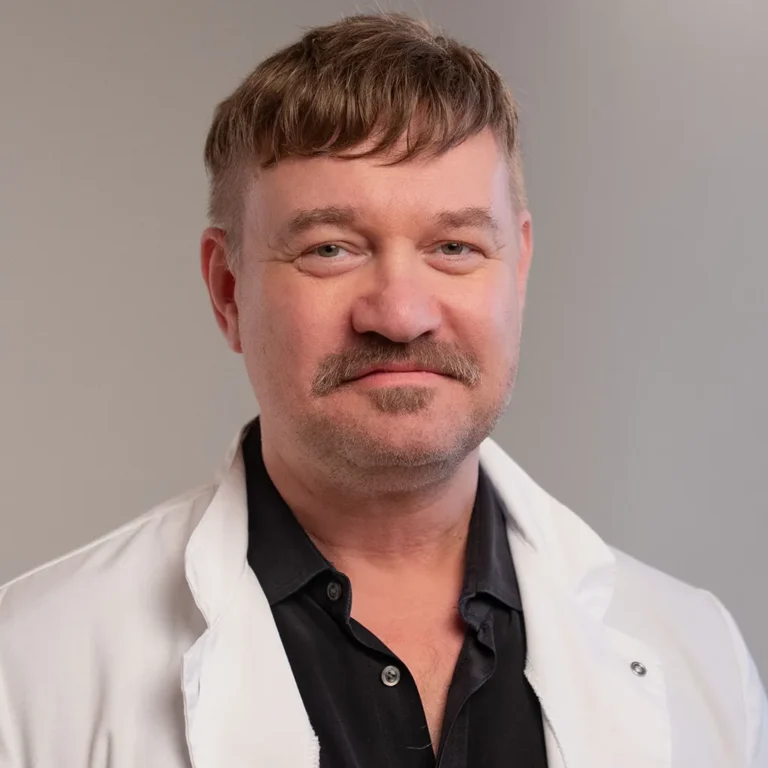
Jörg Hagen, doctor
The author Jörg Hagen has been the medical director of UGRS International Germany since 1995 and has over 30 years of experience in penis enlargement and complex urological issues. He is regarded as one of the leading experts in the interests of patients in Europe. His international activities, excellent diagnostics and legal successes in patient rights make his assessments particularly well-founded. Patients appreciate his scientifically based, discreet and trustworthy care. His articles are based on many years of practice and well-founded information at the highest level.
This content is for general information purposes only and does not constitute medical advice, diagnosis or treatment recommendations. It is in no way a substitute for a professional examination or treatment by a licensed physician. If you have any health complaints or uncertainties, please always consult a medical professional – especially if you have questions about intimate surgery or sexual health.