

Induratio Penis Plastica (Peyronie's disease) therapy for UGRS
Two terms that have been associated with each other nationally and internationally for many years. Doctors at the UGRS have not only become known for the fact that we perform the removal of the focus of the disease (so-called grafting) with subsequent reconstruction to a high standard, as recommended in the EAU guidelines. But also for our tireless efforts to ensure that our patients receive at least partial reimbursement from their health insurance companies. And that they are not referred to more disadvantageous grafting operations.
Unfortunately, this is not possible for statutory patients due to the strict separation of the statutory system from the private system in Germany. We can only treat these patients on a self-pay basis.
Please read our patient information below:
Who will treat me in Darmstadt?
Your doctors in the Induratio section:
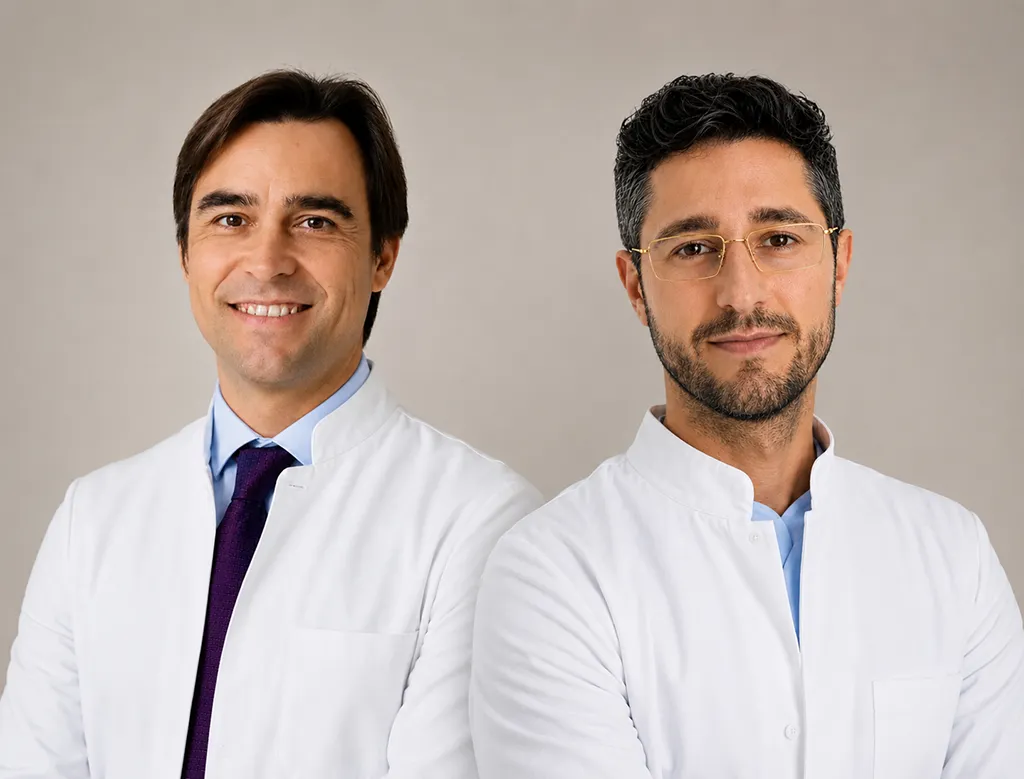
(Left: Prof. Agustín Fraile Poblador; click here for more information about our doctors)
Contents
What is Peyronie's disease (Induratio Penis Plastica)?
Induratio Penis Plastica (Peyronie’s disease), also known as Peyronie’s disease, is a benign disease of the penis. A hardening (plaque) forms in the tissue of the erectile tissue, which often leads to a curvature. It was described as early as the 16th century and then in detail in 1743 by the French physician François de la Peyronie.
How common is penile curvature?
Around 5% of men are affected – mainly between the ages of 40 and 60. However, young men can also develop induratio penis plastica (Peyronie’s disease).
How is Peyronie's disease diagnosed?
Imaging diagnosis using MRI and differentiation from similar diseases is often difficult due to the lack of experience of the radiologist and urologist assessing this disease (Citation: 13).
The standard diagnostic procedures include:
- Ultrasound examination of the penis
- Physical examination (palpation)
- Anamnesis (patient's report on their problems)
Supplementary methods are used, for example:
- MRT (MRI), magnetic resonance imaging
- Erectile dysfunction (ED)
What are the causes and symptoms of Peyronie's disease?
The exact causes are not fully understood. It is often caused by a connective tissue disorder, such as Dupuytren’s contracture, a disease of the hand that leads to restricted movement of the fingers. Other genetic predispositions, previous operations in the pelvic area (e.g. prostate removal) or successive injuries can also play a role.
The molecular causes of the development of the disease are still unclear (Citation: 14).
Typical physical symptoms are
- Curvature of the penis
- Palpable hardening under the skin
- Pain during
- Shortening the shaft
- Problems with erection (ED)
- Constrictions (“hourglass shape”) or irregular shape
- Diminished feeling
What psychological problems are caused by induratio penis plastica (Peyronie's disease)?
The psychological symptoms of induratio penis plastica are still underestimated.
The psychological effects of induratio penis plastica are serious, but still under-researched in medicine. Urologists and andrologists in the general healthcare system often still pay too little attention to these psychological stresses (Citation: 9, 15).
The consequences are:
-
Social withdrawal and isolation
Men with induratio penis plastica often withdraw from social life. Fear of intimate situations and shame lead to avoidance behavior. -
Serious relationship problems
The physical problems caused by induratio penis plastica (Peyronie's disease) can put a significant strain on relationships. This can lead to communication problems and relationship crises. - Fight for recognition of mental health problems
How does Peyronie's disease progress over time?
Induratio Penis Plastica (Peyronie’s disease) usually begins with an unnoticed inflammation in the tissue of the penis. This develops into a scar (plaque), which can enlarge over months or years – especially due to mechanical stress such as erections or interaction. Unfortunately, spontaneous healing is very rare. The plaque can lead to increasing curvature, shortening and erectile dysfunction (Citation: 2, 4).
Without treatment, the condition almost always gets worse. Many sufferers report severe losses in their relationships and self-esteem.
How can I stop an aggravation?
Patients with Peyronie’s disease often also suffer from Dupuytren’s contracture. And vice versa (Citation: 17, 18, 19).
If patients suffer from one of these diseases, they should definitely have the other disease checked in good time. This gives them the chance of early treatment and therefore the chance of better results.
In general, in our opinion and based on our extensive experience, early treatment is necessary to stop the condition from worsening.
Since there is no reliably effective conservative therapy (Citation: 16), we do not believe that it makes sense to let valuable time pass by trying conservative therapy.
What non-surgical treatments are available for Peyronie's disease?
In the early stages, attempts can be made to treat Peyronie’s disease with medication or physical therapy (e.g. shock waves or injections). The aim is to slow down the progression of hardening. Success depends heavily on the timing of the treatment.
The reality of conservative therapies
-
There are few effective treatment options without surgery
The options for treatment without surgery are severely limited. Many patients hope for gentle alternatives to surgery, but the medical reality is unfortunately very different. -
Scientific evidence is lacking
Despite promising announcements, there is no scientific evidence to date that any of the available non-surgical therapies work significantly better than a placebo (placebo effect) (Citation: 16)
What does “no better than placebo” mean?
The placebo effect explained: A placebo is a sham treatment without an active ingredient. If patients believe that they are receiving an effective medication, their symptoms can improve through this expectation alone. A real therapy must work significantly better than this psychological effect.
New processes raise hopes
New, non-surgical treatment methods are regularly being developed and tested. Unfortunately, they have not yet produced the desired results. So our hopes lie in the future.
We do not recommend the use of conservative methods as an attempt to treat severe cases because none of the conservative methods have so far shown results that have convinced us as experts.
Our opinion is based on the scientific findings mentioned above.
Early action is important
As you have experienced, there is unfortunately no effective conservative therapy.
In our extensive experience, especially as a Tertiary Medical Center for Induratio Penis Plastica (Peyronie’s disease), waiting worsens the symptoms and in many cases complicates the treatment of this complex disease.
Our opinion is based on the scientific findings mentioned above.
Spontaneous healing is rare
There are also only a few cases of spontaneous healing, i.e. cases in which the disease goes away on its own. However, it is very rare
When does surgery make sense for Peyronie's disease and what techniques are available?
If the penis is severely curved, painful or the erection decreases significantly, surgery can help. Depending on the severity, various procedures are theoretically possible – such as removal of the plaques with subsequent grafting, tissue implants or the so-called Nesbit technique.
Modern surgical techniques of grafting can often restore the shape and function of the penis well. A precise diagnosis and individual consultation are important.
What surgical options are there for Peyronie's disease - and which one makes sense?
Important note:
The surgical treatment of Peyronie’s disease is extremely complex and requires a physician experienced in reconstructive surgery. This is the only way to minimize the risks and achieve good results (Citation: 11, 12).
There are several theoretical surgical methods for treating induratio penis plastica (Peyronie’s disease). Our technique, the grafting technique, completely removes the focus of the disease itself and, as a rule, all associated symptoms. The other known techniques each treat only a single symptom.
In the following, we first present our method and then explain the alternatives.
How does microsurgical removal of Peyronie's disease plaques with biological reconstruction work?
This method is the technique used by UGRS doctors to treat induratio penis plastica. It is also known as the grafting method in various versions. It is also described as the preferred option in the guidelines of the European Association of Urology (EAU) for severe forms of the disease.
What exactly is done with this method?
- The Peyronie's disease plaque and its scarred extensions are often completely removed by microsurgery.
- The affected parts of the erectile tissue are then reconstructed - without artificial material. We currently use inner buccal mucosa (your body's own material) for this, and in rarer cases a high-quality, biodegradable collagen fleece.
The collagen fleece used – should it be used – is also completely remodeled by the body into its own tissue – without scarring. It acts like a biological scaffold that is replaced by the body with healthy tissue.
In order to be able to offer this grafting technique successfully and at low risk, a doctor who is very experienced in reconstructive surgery is absolutely essential for this procedure (Citation: 11, 12)
Simple short-term physiotherapy (a few minutes a day for about two months) helps to make the natural remodeling elastic and prevent new hardening.
In our experience as a tertiary medical center, this method is in most cases the only really sensible surgical solution for induratio penis plastica (Peyronie’s disease).
The advantages of the technique we use are clear and evidence-based:
- In contrast to the standard retraction techniques described below, this does not shorten the penis
- the focus of the disease (the IPP plaque) is effectively removed, so it cannot continue to grow and lead to further curvature, simply because it is no longer there
- there is no pain during an erection due to a shirring suture, precisely because no shirring technique is used
- The procedure we use is also recommended in international guidelines as the preferred procedure for severe curvatures, but is virtually not offered in hospitals in the statutory system in Germany. Unfortunately, the budget available for the treatment of this condition is not sufficient for this complex operation. As a result, doctors who have been trained in this system have not been able to gain experience in this surgical technique. We very much regret this situation.
Special feature with simultaneous erectile dysfunction
If severe cases of Peyronie’s disease are accompanied by severe erectile dysfunction, the operation should be planned differently.
Erectile dysfunction caused by severe induratio penis plastica is usually not significantly improved by grafting surgery alone.
The gold standard in surgical therapy is the use of a hydraulic penile prosthesis (Citation: 11).
What happens with the Nesbit or Essed-Schröder technique (similar to Nesbit) - and what are the disadvantages?
To avoid misunderstandings: we do not use these gathering techniques because we consider them to be disadvantageous. However, the description of these techniques is part of the full explanation:
These techniques date back to the old days, but are still frequently performed because they can be realized within the budget paid by the health insurance companies.
The focus of the disease is left in place with these techniques and, in our experience, the results are poor. Our opinion based on experience has also been scientifically confirmed (Citation: 12).
We don’t think that’s good. For the benefit of the many patients affected, the budget should be increased by politicians and health insurance companies so that more patients can receive modern treatment for their illness.
How does the Nesbit operation work?
- The Peyronie's disease plaque remains completely in the body.
- An artificial "plaque" is created on the opposite, healthy side of the penis using a so-called shirring suture.
- The aim is to shorten the healthy side so that the curved side appears straight.
What does this mean for the patient?
- The penis is shortened - by up to 8 cm depending on the curvature.
- Patients often have to stay in hospital for 5 to 7 days to prevent erectile dysfunction during the initial healing phase.
- Frequent complications: Pain during erection (up to 48%). As well as renewed curvature due to the mechanical growth of the still existing plaque
- If this type of procedure is carried out several times in succession, there is often no longer a functioning penis.
We fundamentally reject this method because it does not treat the source of the disease, but damages healthy tissue.
Why is the preferred method often not offered?
In general, although the disease is common, only a few operations are performed to treat it. Patients have come to realize that the retraction operations can be of considerable disadvantage.
A quote from Prof. Dr. med. Böhm from the specialist journal Chirurgische Allgemeine (issue 4/2009) sums it up perfectly:
“How often do we send a patient elsewhere because a colleague can do it better? Certainly rarely. Why is that? Because we prefer to offer the other procedure ourselves – even if we can’t do it as well.”
The psychological symptoms should also be treated effectively
Physical treatment should be supplemented by psychological treatment wherever necessary:
- Psychological support: therapy with sex therapists or psychologists
- Open communication: talk to your partner about the illness
- Self-help groups: Exchange with other Peyronie's disease sufferers
Peyronie’s disease is a serious condition that needs to be treated both physically and psychologically. Early, holistic therapy can significantly improve the quality of life (Citation: 15).
How does the treatment begin?
Our secretarial staff will be happy to deal with your inquiries. You can reach them at
Of course, our team of doctors is also available for well-founded second opinions
Costs of reconstruction for induratio penis plastica
Clarity right from the start – without hidden fees.
A high-quality medical service has its price – but with us you know where you stand right from the start. We focus on fair, transparent pricing without unexpected additional costs. Because trust begins with openness.
All prices include examination, preliminary consultation, surgery, anesthesia, aftercare and medical care.
Costs of reconstructive surgery
- Approx. EUR 14,500 including clinic costs and anesthesia
Payment by bank transfer, credit card, cash, or other flexible payment options. Please contact us!
Costs of a corrective operation (after a shirring operation outside the home):
- From approx. EUR 18,500 including clinic costs and anesthesia
Explanation: It is regrettable that a significantly higher price has to be charged for corrective surgery. However, a correction of a retraction operation is not simply the retraction of a retraction suture, but a double reconstruction. This is because the corpus cavernosum has been permanently damaged by the shirring operation, so that now not only the originally diseased corpus cavernosum is damaged but also the originally healthy one. Correcting this with good results is extremely complex.
Costs covered by private health insurance:
This text is now unfortunately a little longer: A German private patient is often not what he thinks he is. The vast majority of insurance companies will only cover you if the operation takes place in the so-called private ward of a public hospital. Many patients who feel like first-class patients are not allowed to be treated in a private clinic at all. In a privately run public hospital, yes, but that is not a private clinic, it is still a clinic that follows certain budget and administrative guidelines.
It is not uncommon for a private patient to feel special at a doctor’s appointment and in the eyes of general practitioners. There is no difference between a hospital and a clinic, apart from a possibly nicer room, because the operating theatres are the same, the staff are the same and the head doctor is the same, because the head doctor is there anyway, because the department needs a head, even according to the requirements of the statutory healthcare system.
This is neither a criticism of the doctors nor of you the patients, but it makes no sense to raise false hopes.
But there is a way out:
Years ago, we refused to accept that patients were being sold insurance policies that did not include what the patient thought they did.
You and we are not only German citizens, but above all European citizens. And thank goodness European law has created a possibility here which means that a patient who is not entitled to any reimbursement in Germany or only a minimal reimbursement is entitled to a significant reimbursement (up to 90%) for surgery at our center in Spain. This is due to the higher priority of the European law applicable to German patients there.
It is a quite grotesque situation, which can be summarized under the term “German madness”, but it is so. So if you are interested in having your costs reimbursed, please contact us.
The article has been checked, verified and approved by the Co-author Jörg Hagen. Author: Prof. Agustin Fraile Poblador.
About the Author
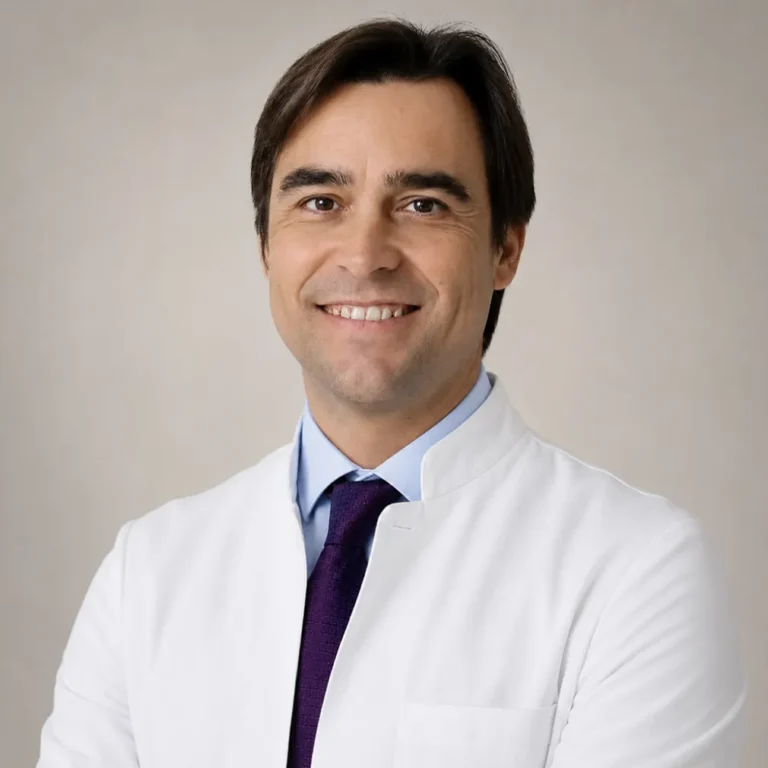
Agustin Fraile Poblador is an international luminary in the field of urological reconstructions. He specializes in inflatable penile prostheses, induratio penis plastica and artificial urethral sphincters.
Activities
His medical positions are in addition to his work at the UGRS Center Darmstadt:
- Coordinator of Andrology and Reconstructive Urology, ROC CLINIC (Madrid, Spain) https://rocclinic.com/en/medical-equipment/dr-agustin-fraile-poblador/
- Coordinator of Reconstructive Urology and Andrology at St. Lukasz Hospital (Bydgoszcz, Poland) https://szpital-lukasza.pl
- Head of Urology Service, Hospital HM Rivas (Madrid, Spain) https://revista.uromadrid.es/editor-invitado-editorial-2023-9/
- Associate member of ESGURS (EAU Section of Genitourinary Reconstructive Surgeons) https://urosource.uroweb.org/
- Member of the Scientific Committee on Reconstructive Surgery of the ESSM (European Society of Sexual Medicine) https://www.essm.org
- Coordinator of Andrology and Reconstructive Urology, Ramón y Cajal University Hospital (Madrid, Spain) https://www.lyxurologia.com
Awards
Agustin Fraile Polabor has been a sought-after speaker at national and international specialist congresses for 20 years and has been recognized for the outstanding quality of his medical work at the following scientific congresses, for example:
- 39th Annual European Association of Urology (EAU) Congress, April 5-8, 2024, Paris (France)
- 13th Meeting of the EAU Section of Genito-Urinary Reconstructive Surgeons (ESGURS), 23-24Nov 2023, Firenze (Italy)
Special recognition of his medical work
He has been appointed as an instructor by the European Association of Urology (EAU) at the following congresses:
- 40th Annual European Association of Urology (EAU) Congress, March 21-24, 2025, Madrid (Spain). Professor at the European School of Urology (ESU) Course: Male Prosthetic Urology
- 41st Annual European Association of Urology (EAU) Congress, March 13-16, 2026, London (UK). Professor at the European School of Urology (ESU) Course: Male Prosthetic Urology
He is a lecturer and trainer for
Boston Scientific, Coloplast and Promedon for penile prosthesis, artificial urinary sphincter and male suburethral sling. He gives regular training courses in Spain, Poland, Czech Republic, Italy, Turkey, USA, UK, Argentina and the Dominican Republic.
The Center for Advanced Medical Learning and Simulation (CAMLS), Tampa (Fl, USA)
His memberships in addition to the UGRS membership:
- Global Health Training Center
- ROC Clinic Madrid
- European Association of Urology (EAU)
- Spanish Association of Urology (AEU)
- Member of the European Society of Sexual Medicine (ESSM)
- Member of the Urological Society of Madrid (SUM)
Publications
Prof. Agustin Fraile Poblador is the author of more than 40 scientific publications, for example to be found at:
The Journal of Urology – American Urological Association
Pubmed – National Library of Medicine:
Wiley Online Library – International Journal of Urology
About the medical co-author Jörg Hagen
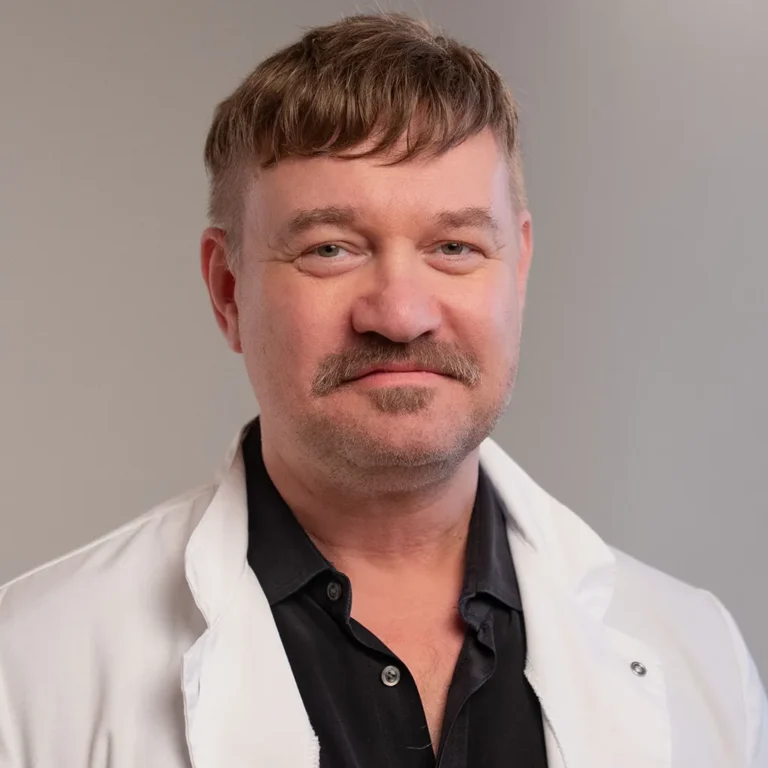
Special merits:
The doctor Jörg Hagen has been working on the subject of surgical penis enlargement for over 30 years and has made a decisive contribution to the establishment of this operation in Germany.
With reference to the UGRS (then known as the GC of Urology), the British newspaper GUARDIAN described Germany as the world champion in penis enlargement in 2014.
He is the current organizational head of UGRS Darmstadt.
Interview with co-author Jörg Hagen (often referred to as “Dr. Penis”) on the RTL+ podcast
The medical information provided on this website is for general information purposes only and does not replace a personal consultation with our doctors. As a tertiary medical center, we are also available for second opinions.
List of sources:
Your request to us

Your contact: Felix Jung
Intimate Surgery Office
Mon – Fri from 9.30 am – 7 pm
Alternatively, you can conveniently book an appointment online for a telephone consultation with one of our doctors.
or fill out our contact form: