

Home » Uncategorized » Scrotum
Scrotum
The scrotum is an important part of the male reproductive system. Although it often appears unremarkable from the outside, it plays a crucial role: it protects and regulates the testicles, which are responsible for the production of sperm and the male sex hormone testosterone. Without the scrotum, reproduction could not function as we know it.
This detailed explanation provides a step-by-step overview of the structure of the scrotum, its functions, and its significance for sexuality as well as for certain medical procedures such as penis enlargement, penis lengthening, or penis thickening.
Anatomy of the Scrotum
The scrotum is a loose pouch of skin that hangs directly below the penis. Its main characteristics are:
1. Skin layer
- The skin is relatively thin, elastic, and usually has more body hair after puberty
- It contains numerous sweat glands that create a warm, humid environment.
2. Muscle layer
- Beneath the skin lies the so-called musculus dartos, a muscle that can contract or relax the skin.
- In addition, portions of the cremaster muscle run along each side of the scrotum; this muscle pulls the testicles upward in response to cold or danger.
3. Internal Subdivision
- The scrotum is divided into two compartments by a wall of connective tissue, so that each testicle lies in its own "pocket."
Function of the Scrotum
1. Protective function
- The testicles are very sensitive. The scrotum protects them from external factors such as pressure or injury.
2. Temperature Control
- A temperature of about 34–35 °C is ideal for the production of healthy sperm—that is, slightly cooler than normal body temperature.
-
The scrotum is responsible for this cooling effect:
In hot weather, it hangs loosely and the skin is thin to allow heat to escape.
In cold weather, muscles contract, the scrotum tightens, and the testicles are pulled closer to the body.
3. Sexuality and Sensitivity
- The skin of the scrotum is sensitive and plays a role in sexual stimulation.
- At the same time, the position of the scrotum subconsciously signals arousal or relaxation.
Medical Aspects of the Scrotum
1. Changes in Appearance
- Many men notice differences in the size, shape, or firmness of their scrotum.
- These changes are usually normal and depend on temperature, arousal, or age.
2. Diseases
- Common problems can include fluid buildup (hydrocele), varicose veins in the scrotum (varicocele), or inflammation.
- It is important to see a doctor if you experience pain, swelling, or noticeable lumps.
3. Aesthetics
- Some men feel that their scrotum is too flaccid or uneven.
- In surgery, there are procedures such as a scrotal lift, which is sometimes requested.
Reference to penis enlargement, penis lengthening and penis thickening
1. Penis Enlargement
- In such cases, it may be helpful to release or alter the penoscrotal septum (the connection between the penis and the scrotum) so that the penis appears longer.
2. Penis Thickening
- For procedures that increase the width of the penis, care must be taken to ensure that the proportions with the scrotum remain harmonious.
3. Penis Enlargement in General
- After penis enlargement, the tension in the scrotum may also change because the skin and tissue may feel tighter or looser.
Psychological Significance
The scrotum not only serves physical functions but also has symbolic and psychological significance. In many cultures, it is regarded, along with the penis, as a symbol of masculinity, fertility, and virility. Men may feel their self-confidence is affected if they perceive their scrotum as unattractive or inappropriate.
Summary
- The scrotum is a pouch of skin and muscle that protects the testicles.
- It regulates temperature, thereby ensuring optimal sperm production.
- It is sensitive and plays a role in sexuality.
- Changes are usually normal, but if you experience any symptoms, you should have them checked by a doctor.
- In conjunction with procedures such as penis enlargement, penis lengthening, or penis thickening, the scrotum can play an important role in maintaining a harmonious overall appearance and functional balance.
The medical information provided on this website is for general information purposes only and does not replace a personal consultation with our doctors. As a tertiary medical center, we are also available for second opinions.
© Copyright Jörg Hagen, Doctor
About the author
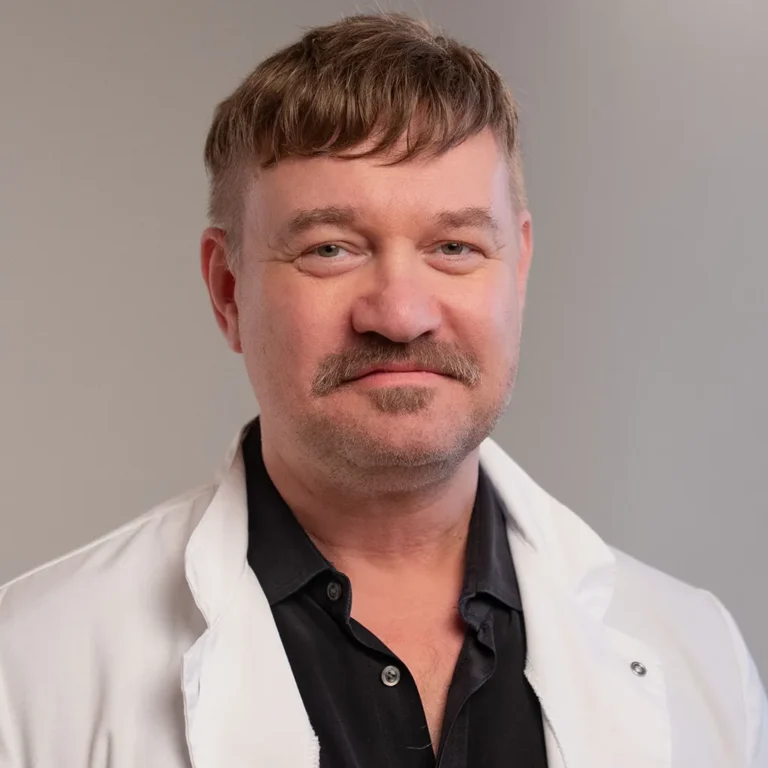
Jörg Hagen, doctor
The author Jörg Hagen has been the medical director of UGRS International Germany since 1995 and has over 30 years of experience in penis enlargement and complex urological issues. He is regarded as one of the leading experts in the interests of patients in Europe. His international activities, excellent diagnostics and legal successes in patient rights make his assessments particularly well-founded. Patients appreciate his scientifically based, discreet and trustworthy care. His articles are based on many years of practice and well-founded information at the highest level.
This content is for general information purposes only and does not constitute medical advice, diagnosis or treatment recommendations. It is in no way a substitute for a professional examination or treatment by a licensed physician. If you have any health complaints or uncertainties, please always consult a medical professional – especially if you have questions about intimate surgery or sexual health.